

About SRL
SRL (Superconductivity Research Laboratory) is the R&D division of ISTEC, responsible for research and development activities
necessary to realize the practical applications of superconducting materials, in particular, high-temperature superconducting
materials, including superconducting tapes and wires, electronic devices and their application systems.
The HTS Conductor Processing & Power Applications Division is responsible for developing Yttrium-based superconducting tapes
or coated conductors with high performance and coils for potential use in future superconducting power devices such as various
magnets and power equipment.
The Materials/Physics & Electronic Devices Division is aimed at the commercial realization of high-performance electronic
devices such as highly sensitive HTS SQUID magnetic sensors in various non-destructive testing and resource exploration systems.
The division is also in charge of R&D of new superconducting materials.
Director General's Statement
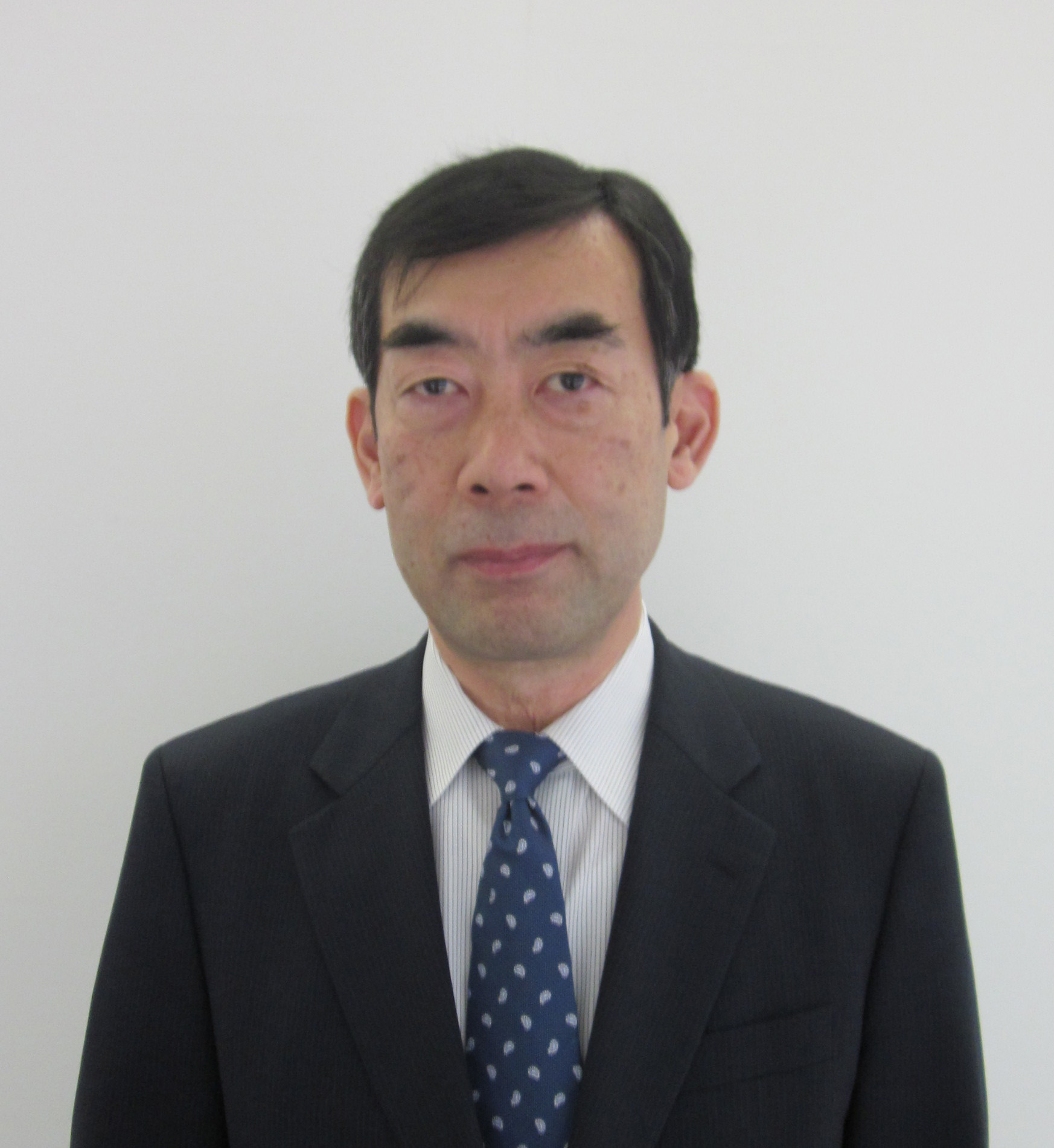
Keiichi Tanabe
Director General
Superconductivity Research Laboratory
International Superconductivity Technology Center
The Superconductivity Research Laboratory (SRL), which is an attached laboratory to
the International Superconductivity Technology Center (ISTEC) for research and development on
superconductivity, was established in the summer 1988 as Japan's only full-scale research institution and
facility specializing in superconductivity. Since its foundation SRL has promoted the advancement of research
and development aiming at the realization of a society utilizing superconductivity technology and made
significant research progress under the leadership of the first Director General, Dr. Shoji Tanaka, and
Dr. Yuh Shiohara who has served as the second Director General since February 2009. As of April 1, 2014,
I take over their role as a new Director General of SRL, while Dr. Shiohara will continue to give us advice
and guidance as the Honorary Director General. We seek your continued support and guidance with giving us the
benefit of your honest and unrestrained comments and opinions for the future.
Following from the discovery of high temperature superconducting (HTS) materials in 1986,
a project on "Research & Development of Superconducting Materials and Devices" was initiated by the (then)
Ministry of International Trade and Industry in 1988. In 1998, a project entitled "Research and Development of
Fundamental Technologies for Superconductor Applications" was launched and supported by the Ministry of Economy,
Trade and Industry (METI) through the New Energy and Industrial Technology Development Organization (NEDO).
This project was followed by a 5-year project from 2008 via NEDO support entitled "Materials and Power
Applications of Coated Conductors (M-PACC)". In this project, the research and development of Yttrium-based
superconducting tapes (coated conductors) and international standardization activities were vigorously
advanced, with the aim of the realization of superconducting power equipment (SMES, Cable, Transformer)
utilizing Yttrium-based coated conductors. In December 2013, a new project entitled “Development of
Fundamental Technologies of HTS Coils” was initiated by METI. In this project, SRL has conducted research
and development on Yttrium-based coated conductors with even higher performance and coils for potential use
in magnets for MRI and medical heavy-ion accelerator.
On the other hand, with regards to application of HTS materials to the films and electronic-devices field,
development has been undertaken in areas involving the design of devices, process technology and system
development of mainly those that employ Yttrium-based HTS thin films. In particular, we have been developing
a variety of systems with highly sensitive SQUID magnetic sensors fabricated using a state-of-art multi-layered
film fabrication process. For example, on commission by the Japan Oil, Gas and Metals National Corporation
(JOGMEC), we have successfully developed a practical metal exploration system and also initiated the research
aimed at the application of SQUID sensors to the oil field. From 2009 onwards, in collaboration with universities
and industries, we have undertaken development for advanced biotechnology and non-destructive sensing technology
utilizing the HTS SQUIDs entrusted to us by the Japan Science and Technology Agency (JST). Additionally, we
have been applying HTS SQUID sensors to observation of slight change in the earth magnetic field due to
occurrence of an earthquake in collaboration with universities.
In July 2013, the ISTEC headquarter moved from the former location in Tokyo to Kanagawa Science Park in
Kawasaki, Kanagawa prefecture. Subsequently the HTS Conductor Processing & Power Applications Division moved
to the same location and the Materials/Physics & Electronic Devices Division moved to Hiyoshi Laboratory
located in Yokohama, Kanagawa prefecture. On this occasion, we started the contracting business of providing
materials, devices, and materials evaluation service, in addition to the research and development.
In the future, based on the research outcomes over the past twenty years or more, SRL as the core research
institution for superconductivity will strive to continue its research and development efforts in activities
aimed at the full-scale realization of HTS materials and technologies, which form part of the advanced
technology category for Japan's growth strategy, also with greater international collaboration. Superconductor
technology is anticipated to be the new material and technology fit for the 21st century, therefore SRL would
like to contribute to the world by building a new energy society to reduce carbon dioxide (CO2) emissions, as
well as a safe, healthy, and long-lived society, and also by generating new outcomes and concepts giving a
dream to the youth.
1st April 2014